








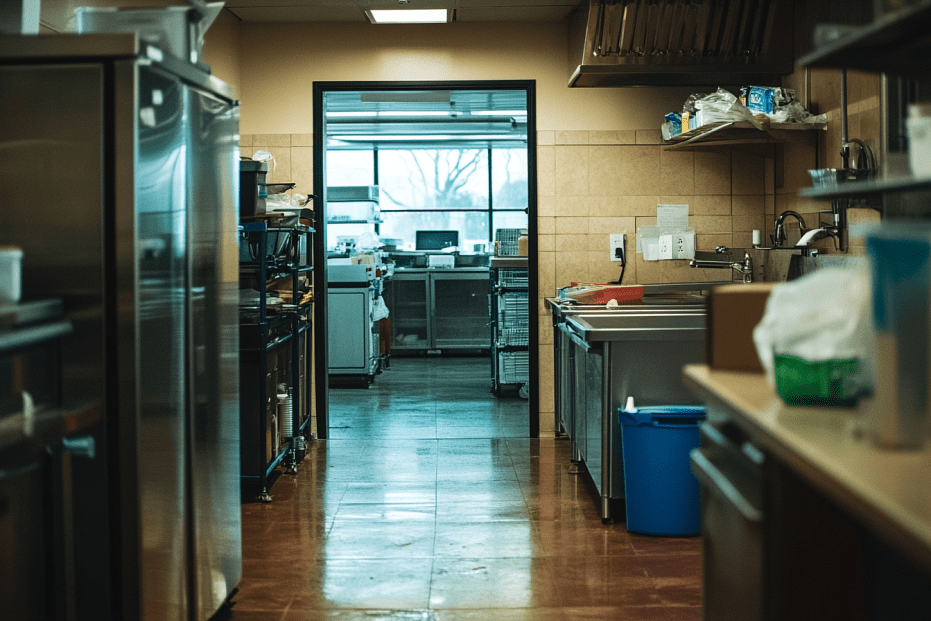
Kitchen equipment is the backbone of any food business. From ovens and grills to refrigerators and dishwashers, these machines are essential for preparing, cooking, and serving food. However, kitchen equipment is also a significant investment, and breakdowns or replacements can lead to costly downtime and lost revenue. Implementing a robust maintenance and upkeep program is crucial to protecting this investment and ensuring the smooth operation of your business.
Understanding Your Equipment
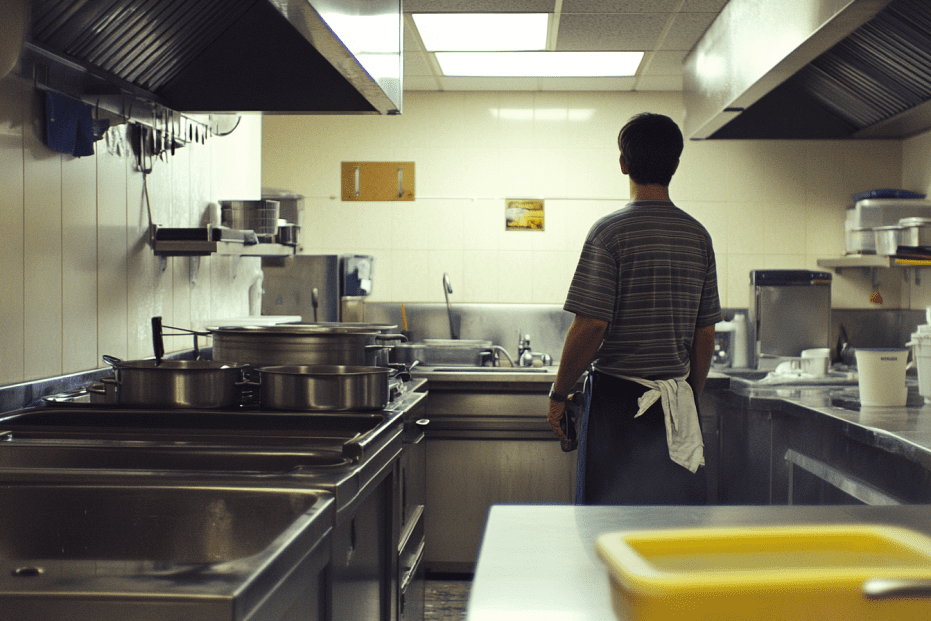
Different types of kitchen equipment have specific maintenance requirements. To effectively care for your equipment, it is essential to understand its unique needs. Carefully reading and understanding the equipment manuals provided by the manufacturer is crucial. This information will outline recommended cleaning procedures, maintenance schedules, and troubleshooting tips. Additionally, creating a detailed inventory of all your kitchen equipment will help you track its age, condition, and maintenance history.
Daily and Weekly Cleaning Routine
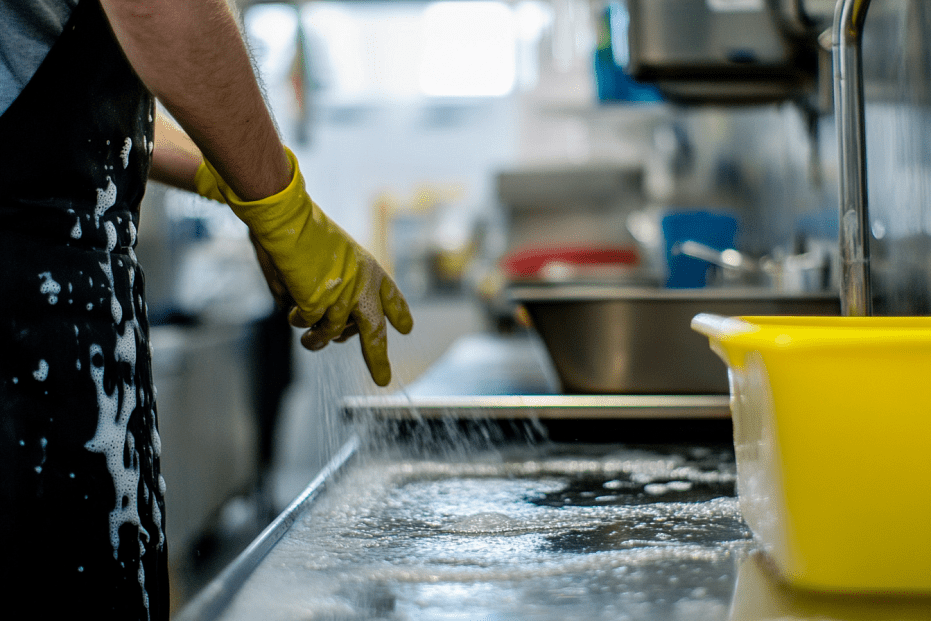
A clean kitchen is essential for maintaining food safety and ensuring the longevity of your equipment. Regular cleaning prevents the buildup of grease, food particles, and bacteria, which can compromise hygiene and equipment performance.
Develop a detailed cleaning schedule that outlines daily and weekly tasks for each piece of equipment. This should include specific cleaning procedures for ovens, grills, fryers, refrigerators, dishwashers, and other essential appliances. Consider using checklists or cleaning logs to ensure consistency and accountability.
When cleaning, use high-quality cleaning agents and sanitizers specifically designed for foodservice environments. Pay close attention to hard-to-reach areas, such as oven racks, grill grates, and fryer baskets. Disassemble components whenever possible for thorough cleaning and sanitization.
Properly disposing of cleaning chemicals is crucial for protecting the environment and the health of your staff. Follow local regulations for chemical disposal and provide employees with appropriate personal protective equipment (PPE) when handling cleaning products.
Preventive Maintenance
Regular inspections are the cornerstone of a preventive maintenance program. Establish a routine inspection schedule for all your kitchen equipment, including detailed checklists to document findings and necessary actions. Look for signs of wear and tear, such as rust, corrosion, cracks, or loose components. Pay attention to the overall condition of equipment, including electrical cords, plugs, and gas connections.
Lubricating moving parts and adjusting equipment settings are essential for optimal performance and to prevent premature wear. Consult your equipment manuals for specific lubrication recommendations. Calibrating equipment, such as ovens, thermometers, and scales, is crucial for ensuring accuracy and consistency in food preparation.
While many maintenance tasks can be performed in-house, consider partnering with a professional maintenance service for specialized repairs or complex equipment. These professionals can provide expert knowledge, troubleshooting, and preventive maintenance recommendations.
Creating a comprehensive maintenance schedule is essential for tracking inspections, cleaning, and repairs. This schedule should include information about the equipment, inspection dates, maintenance performed, and any necessary repairs. Using a digital maintenance management system can help streamline the process and improve efficiency.
By implementing a robust cleaning and maintenance program, you can significantly extend the life of your kitchen equipment, reduce downtime, and create a safer and more hygienic foodservice environment.
Proper Equipment Usage
Training staff on the correct operation of kitchen equipment is crucial to prevent accidents and equipment damage. Encouraging proper equipment usage, such as avoiding overloading or underloading, is essential for optimal performance and longevity. Always follow the manufacturer’s guidelines for operation, cleaning, and maintenance to ensure safety and efficiency.
Energy Efficiency and Cost Savings
Reducing energy consumption is essential for both environmental sustainability and cost savings. Proper equipment maintenance can significantly impact energy efficiency. Regularly cleaning and maintaining equipment can optimise its performance and reduce energy consumption. In some cases, upgrading to newer, more energy-efficient models can yield significant savings over time.
Troubleshooting Common Issues
Identifying common equipment problems is the first step to resolving them. Basic troubleshooting steps, such as checking power supply, cleaning components, or resetting the equipment, can often resolve minor issues. However, when problems persist or require specialised knowledge, it is essential to call a professional for repairs or maintenance.
Considering Professional Cleaning Services
While regular in-house cleaning is essential, there may be times when professional cleaning services can be beneficial. Deep cleaning tasks, such as oven degreasing, duct cleaning, or floor stripping, can be time-consuming and require specialized equipment. Professional cleaners have the expertise and resources to handle these tasks efficiently and effectively.
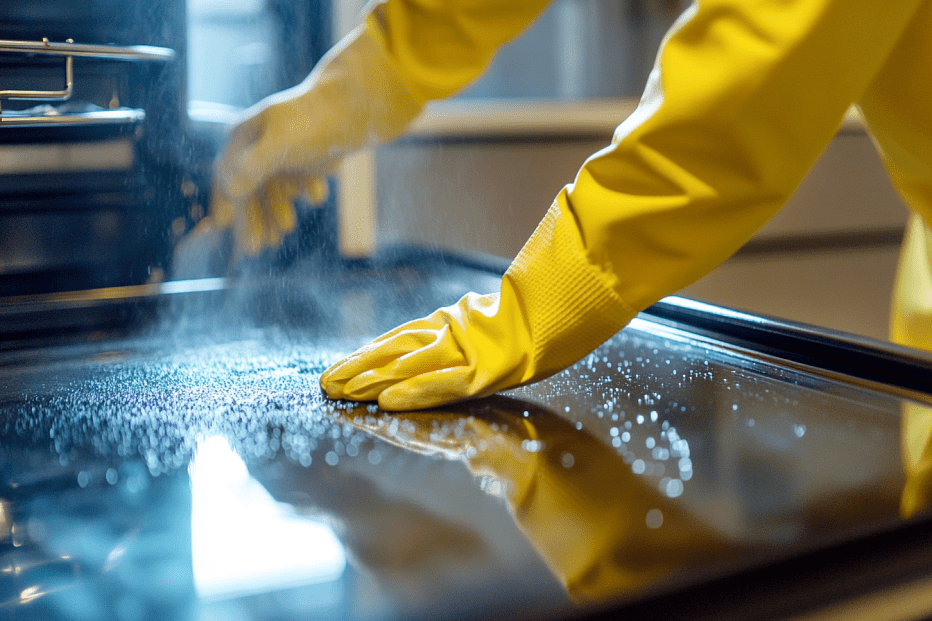
Additionally, for businesses with high turnover or limited cleaning staff, professional cleaning services can help maintain a consistently clean and hygienic environment. By outsourcing these tasks, you can free up your staff to focus on other essential duties, such as food preparation and customer service.
When considering professional cleaning services, it’s important to choose a reputable company with experience in the foodservice industry. Ensure that the cleaning products and methods they use comply with food safety regulations.

Conclusion
By investing time and effort into proper maintenance and upkeep, food business owners can significantly extend the lifespan of their kitchen equipment. Regular cleaning, preventive maintenance, and correct equipment usage are crucial for ensuring optimal performance, reducing downtime, and avoiding costly repairs or replacements. Implementing a comprehensive maintenance plan will help protect your investment, maintain food safety, and contribute to the overall success of your business.