




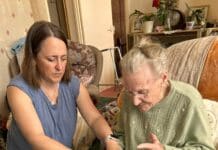







When Nia’s father was diagnosed with dementia, life for her family in Swansea changed overnight.
Like many people juggling work, children, and elderly parents, Nia suddenly found herself in a caring role she wasn’t fully prepared for. Cooking, medication, appointments, and the emotional strain of watching a loved one’s memory fade quickly became overwhelming.
“I wanted to do everything myself,” Nia admits. “But the truth is, I was exhausted. I was trying to be a carer, a mum, and an employee all at once. Something had to give.”
Her story is far from unique. Swansea, like much of Wales, is seeing a sharp rise in dementia diagnoses. According to the Alzheimer’s Society, more than 50,000 people in Wales are living with the condition — and that figure is expected to grow. Experts warn that this will place increasing pressure not only on health services, but also on families who are often the first line of support. Behind those numbers are people trying to balance everyday life with the demanding role of unpaid care, and many feel they have little choice but to keep going.
For Nia, the decision to seek support from Living at Home was a turning point. Carers now visit her parents regularly, helping with the day-to-day routines that had left her so drained. Tasks as simple as meal preparation, ensuring medication is taken on time, or just having someone from Living at Home sit and chat with her father have eased the constant worry.
“It’s made the world of difference,” she says. “Now I get to spend real time with my parents — listening, talking, being their daughter again — instead of constantly firefighting.”
Local campaigners say more needs to be done to raise awareness of the pressures facing unpaid carers. Without the right support, many risk burnout, poor mental health, and financial hardship. Community groups across Swansea have begun calling for more accessible respite services, better information on where to find help, and greater recognition of carers’ contributions to society.
Nia hopes her story encourages other Swansea families not to struggle alone. “Asking for help isn’t giving up — it’s the best thing I could have done for my parents and for myself.”
Understanding Dementia Care at Home
Effective dementia care begins with understanding your loved one’s unique needs. Dementia impacts memory, thinking, and behaviour, so creating a structured and supportive environment is essential.
Daily Routines: Consistency helps reduce confusion and anxiety. Establish routines like serving meals at the same time each day or following a bedtime ritual to bring comfort.
Communication Tips: Speak clearly, use short sentences, and give plenty of time for responses. Non-verbal cues like gestures can also aid understanding.
Safety Modifications: Adapt your home to prevent accidents. Secure cabinets, label drawers, remove tripping hazards, and install adequate lighting.
Did You Know?
Familiar objects, such as cherished photographs or heirlooms, can create a calming environment and reduce agitation.
Managing Behavioural Changes
As dementia progresses, you might notice behavioural changes like agitation or wandering. Staying calm and identifying triggers is key.
Activity Engagement: Encourage simple, meaningful activities like folding laundry, gardening, or baking to provide a sense of purpose and reduce anxiety.
Example: If crowded spaces trigger anxiety, create a quiet, soothing environment at home.
Professional Dementia Care: How It Works
While home care is commendable, professional support can bring relief and ensure high-quality, consistent care.
In-Home Support: Professional caregivers can assist with bathing, meal preparation, and medication management, easing your daily responsibilities.
Respite Care: Short-term professional care offers family caregivers much-needed breaks to rest and recharge.
Did You Know?
Music therapy is a powerful tool used by caregivers. Familiar songs can evoke positive emotions, improve mood, and reduce agitation.
Supporting the Family Caregiver
Caring for someone with dementia can be emotionally and physically demanding, so it’s vital to take care of yourself.
Self-Care Tips: Join support groups, talk to other caregivers, or explore resources designed to support your journey.
Online Forums: Carers UK Forum and Mental Health UK provide spaces to connect with other caregivers.
Local Groups: Age Cymru and Alzheimer’s Society Dementia Cafés offer peer support near you.
National Helplines: Carers UK and Alzheimer’s Society provide expert advice and emotional support.
Specialised Support: Parkinson’s UK and Marie Curie offer tailored guidance for specific caregiving challenges.
Social Media: Facebook Groups provide active, real-time discussions and peer advice.
Common Myth: “Seeking support doesn’t make you less capable — it ensures you can maintain your wellbeing while providing the best care for your loved one.”
Top 5 Tips for Caring for Someone with Dementia
- Focus on Communication: Speak clearly, give time to respond, and use gestures or visual aids.
- Create a Safe and Supportive Environment: Remove hazards, label drawers, and improve lighting.
- Stick to a Routine: Consistent schedules reduce anxiety and confusion.
- Engage in Meaningful Activities: Incorporate hobbies like music, gardening, or puzzles to stimulate the mind.
- Take Care of Yourself: Join support groups, take breaks, and prioritise your own health.
Taking the step to care for a loved one with dementia is one of the most meaningful ways to enhance their comfort, health, and happiness.
Next Steps for Families
If you’re navigating dementia care in Swansea:
- Schedule a Free Consultation: Speak with care experts to explore personalised support.
- Download Informative Resources: Access guides to help you navigate the challenges of dementia care.
- Visit Relevant Websites: Learn about the full range of support services available to families.
Nia’s story shows that with the right support, families can provide compassionate, dignified care while maintaining their own wellbeing. Asking for help is not a failure — it’s a vital step in ensuring both carers and loved ones can thrive.