





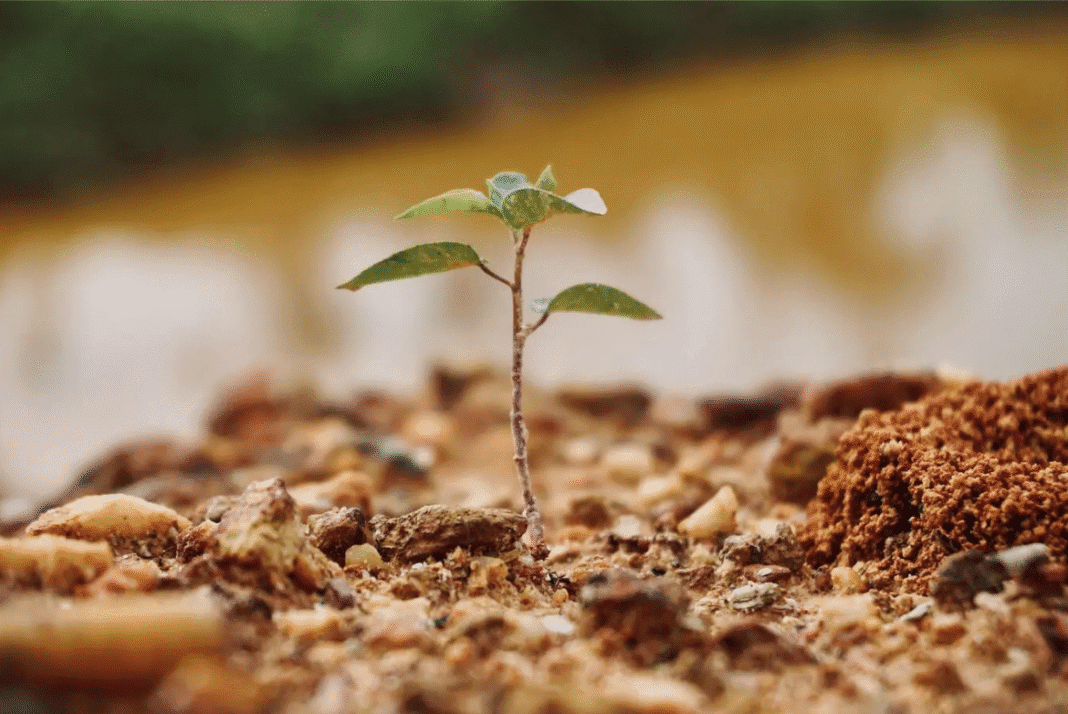

Agriculture in the United Kingdom is undergoing a major transformation, moving toward more sustainable and environmentally friendly practices. Concerns about ecological impact, crop quality, and ethical production have led producers, investors, and consumers to seek responsible, high-value alternatives.
In this context, companies such as Global Green Genetics play a key role by developing cannabis seeds and other seed varieties adapted to eco-friendly farming methods. Their genetic research improves crop performance while reducing chemical use and promoting biodiversity.
Genetic Innovation for Sustainable Crops
Plant genetics has become an essential tool for those aiming to optimise productivity without compromising soil or environmental health. By selecting resilient varieties adapted to ecological conditions, farmers can ensure more consistent and nutritious harvests.
In the UK, this trend has opened new opportunities for companies that combine science and sustainability. Global Green Genetics, for instance, has developed seeds that not only enhance productivity but also meet environmental standards, contributing to a faster transition toward an ethical agricultural model.
Responsible Practices and Their Economic Impact
Adopting eco-friendly cultivation methods creates positive effects for both the economy and the community. Farmers who use natural fertilisers, crop rotation, and efficient water management tend to lower long-term costs while appealing to a market that values transparency and quality.
Demand for certified organic products has been steadily increasing, encouraging businesses to invest in genetic innovation and responsible processes. As a result, sustainability becomes an economic driver, and green investments ensure both financial returns and a strong reputation.
Technology and Digitalisation Serving the Land
The use of technology in agriculture allows for more precise resource management and more efficient production planning. Through sensors, data analysis, and monitoring tools, farmers can reduce waste and improve crop health, optimising every stage of the production cycle.
UK farmers who combine these tools with advanced seeds, such as those developed by Global Green Genetics, can quickly adapt to climate changes, pests, or market fluctuations. This creates a flexible and resilient model that ensures consistent crop quality.
Education and Environmental Awareness
The success of the shift toward greener practices also depends on producer education. Workshops, seminars, and courses on sustainability, soil management, and plant genetics help farmers implement effective and conscious strategies.
The combination of education, genetic innovation, and digital tools creates an ecosystem where knowledge supports strategic decision-making, promoting a more efficient and ethical form of agriculture. In this way, British producers can lead the adoption of models that balance productivity with environmental respect.
Social and Environmental Benefits
The implementation of responsible agricultural methods has a direct impact on communities and the environment. Reducing the use of pesticides and chemical fertilisers improves soil health, protects local wildlife, and ensures higher-quality food for consumers.
At the same time, the creation of specialised jobs and the growth of green markets strengthen the local economy. Sustainable projects demonstrate how profitability and social responsibility can progress together, consolidating an ethical and modern agricultural model.
The Future of Sustainable Agriculture in the UK
Looking ahead, eco-friendly farming represents an opportunity to redefine the relationship between production, innovation, and the environment. The combination of advanced genetics, responsible practices, and precision technology ensures that crops are efficient, sustainable, and ready for future challenges.
Companies like Global Green Genetics show that it is possible to develop cannabis seeds and other high-yield varieties without compromising ecological principles. Investing in green innovation thus becomes a profitable and conscious strategy, laying the foundations for a more ethical, resilient, and planet-friendly agriculture.