











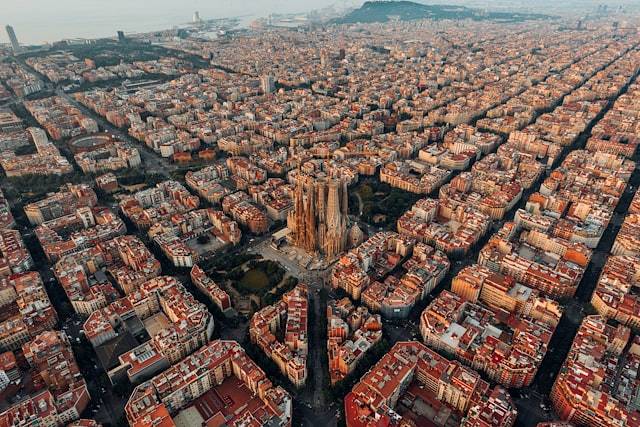

Barcelona is a city that needs no introduction, yet requires an expert eye to truly navigate its layers. In 2026, the Catalan capital stands at a historic crossroads, with the long-awaited completion of the central towers of the Sagrada Família finally redefining its skyline. Traveling to Barcelona today means balancing a visit to the icons of Modernism with the discovery of a metropolis leading the charge in urban sustainability and Mediterranean gastronomy.
When is the best time to visit Barcelona to beat the crowds?
Tourism management has evolved significantly, and the professional recommendation for the informed traveler is to aim for the “shoulder seasons.” May, June, and September offer the quintessential climate for enjoying the Barceloneta beaches and Eixample terraces without the oppressive heat and density of August. Furthermore, visiting during the La Mercè festival in late September allows you to witness Catalan folk culture firsthand—from castellers (human towers) to the fiery correfoc (fire runs)—providing a level of cultural immersion that no museum can replicate.
How can you secure high-quality accommodation on a budget?
The accommodation sector in Barcelona has shifted towards professionalization and high-concept design. For those who want a premium location—steps away from the luxury boutiques and architectural masterpieces like Casa Batlló and La Pedrera—but wish to keep their budget under control, the Passeig de Gràcia area is the most strategic choice. Choosing reputable hostels in Barcelona, such as Safestay Passeig de Gràcia, allows travelers to stay on one of Europe’s most elegant avenues for a fraction of the price of neighboring hotels. This approach is not just a financial win; it places you at the city’s primary transport hub, making connections to the airport and the Gothic Quarter effortless.
Which hidden gems are worth visiting off the beaten path?
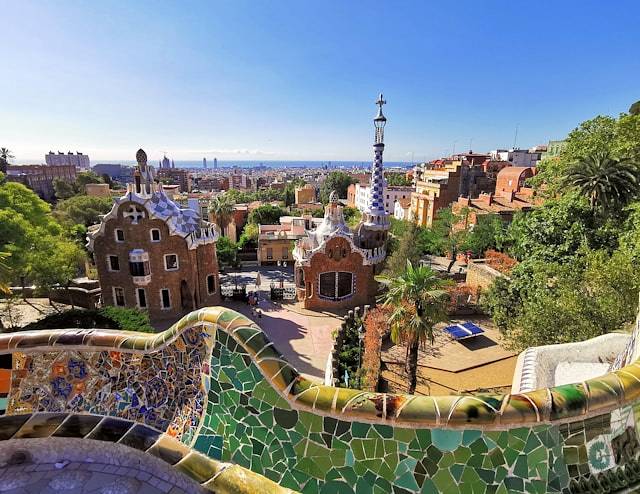
While Park Güell is a must-see, Barcelona hides corners that offer a much more intimate perspective. The Bunkers del Carmel remain the gold standard for a 360-degree panoramic view of the city at sunset. For history enthusiasts, Refugi 307 in Poble-sec offers a poignant journey through air-raid tunnels built during the Spanish Civil War. Additionally, the Poblenou district has fully matured into the city’s creative heart; here, former textile factories now house contemporary art galleries, tech hubs, and specialty coffee roasters that represent the modern, cosmopolitan face of Barcelona.
What safety and mobility tips should every visitor know?
Barcelona is generally a safe city, but like any major global destination, it requires “street smarts” regarding belongings in crowded areas like Las Ramblas. Regarding mobility, the metro system is world-class. An insider tip: download the official transport apps to track real-time bus arrivals, or use the Hola Barcelona Travel Card for unlimited journeys. In 2026, the city’s expanded cycling network makes renting an e-bike one of the most efficient ways to navigate the grid-like streets of the Eixample, allowing you to cover more ground than you could on foot while avoiding the mid-day traffic.
Barcelona remains a destination that rewards those who look beyond the conventional tourist brochures. By planning ahead and choosing a strategic home base, you can experience one of the world’s most vibrant cities in a way that is sustainable, authentic, and deeply rewarding.