








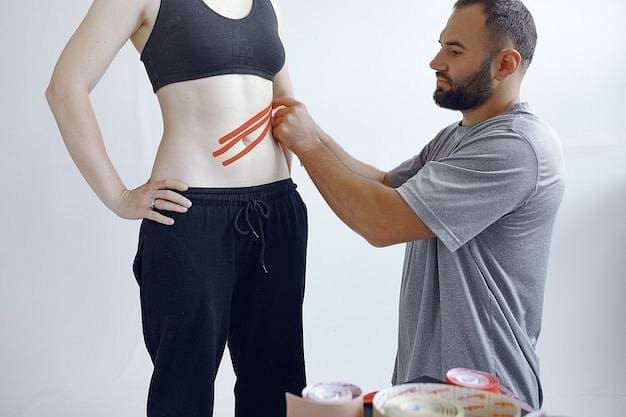

Many athletes struggle with balance, coordination, or that extra push needed to excel. These challenges can be frustrating for both the athlete and the dedicated professionals who guide them. Neuromuscular taping (NMT) is a growing trend in sports medicine, and it has the potential to be a valuable tool for helping athletes reach their peak performance. This article explores the science behind NMT and its potential benefits for athletes of all levels.
Can Taping Really Unlock Your Athletes’ Potential?
What is Neuromuscular Taping (NMT)?
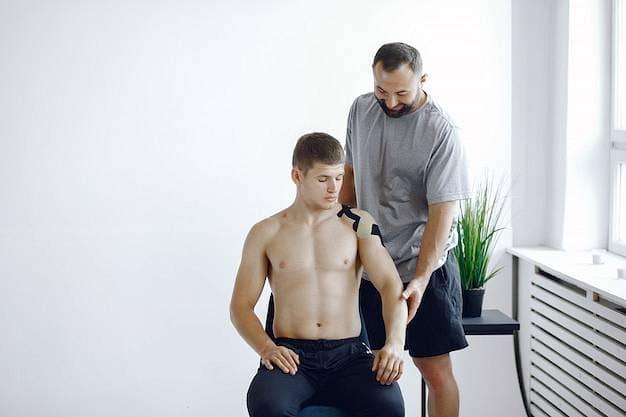
NMT involves applying elastic adhesive tape to specific areas of the body. Kinesio tape, the most common type used, is designed to mimic the elasticity of human skin. Proponents of NMT believe that the tape can improve proprioception (your body’s awareness of its position in space), stability, and even athletic performance.
The Science Behind the Tape
Neuromuscular taping (NMT) works through a combination of mechanisms that might influence proprioception, pain perception, muscle function, and potentially even circulation. Let’s delve into these potential pathways:
Enhanced Proprioception:
NMT applies gentle pressure and lift to the skin, stimulating mechanoreceptors, which are sensory receptors that respond to touch and pressure. This stimulation is thought to heighten awareness of body position and movement (proprioception). Improved proprioception can lead to better balance and coordination, potentially reducing the risk of injuries.
Pain Modulation:
The pressure and lifting effect of the tape might influence pain perception by modulating the activity of pain receptors in the skin and underlying tissues. Additionally, NMT may improve circulation around the taped area, potentially aiding in reducing inflammation and promoting healing.
Improved Muscle Function:
Some theories suggest that NMT can influence muscle activation patterns. By providing support and improving proprioception, the tape might help optimize muscle recruitment and firing patterns during movement. This could potentially lead to improved athletic performance or even faster rehabilitation after injury.
Reduced Fascial Restriction:
Fascia is a web of connective tissue that runs throughout the body and plays a role in movement and stability. NMT may help improve mobility by reducing fascial restrictions, which are areas where the fascia tightens and binds. This improved mobility could contribute to better performance and potentially aid in injury prevention.
It’s important to note that the exact mechanisms by which NMT works are still being researched. While the theories mentioned above are plausible, more high-quality studies are needed to definitively confirm these effects. Additionally, the effectiveness of NMT likely depends on various factors, such as the specific taping technique used, the targeted area, and the individual’s condition.
Does the Research Back it Up?
While athletes and trainers often swear by the benefits of NMT, scientific evidence on its effectiveness remains a work in progress. Here at AppliedMotion, we understand the importance of basing our recommendations on solid research. So, let’s delve deeper into what the current research landscape reveals.
Studies investigating NMT’s impact on proprioception and stability have presented a mixed bag of results. Some studies have shown that NMT can indeed enhance an athlete’s awareness of their body’s position in space (proprioception), leading to improved balance and coordination. However, other studies haven’t been able to replicate these findings. This inconsistency can be attributed to several factors.
Firstly, study designs can vary significantly. Some studies might compare NMT to a placebo (inactive tape), while others might compare it to no intervention at all. Additionally, the specific taping techniques used, the targeted muscle groups, and the type of athletic activity being studied can all influence the results.
Secondly, the way researchers measure outcomes can also play a role. Proprioception and stability are complex concepts, and there isn’t a single universally accepted method for measuring them. Differences in testing protocols can make it difficult to compare findings across studies.
Furthermore, the research on NMT’s influence on athletic performance has yielded similarly conflicting results. Some studies have shown a slight improvement in performance metrics like jump height or sprint times after NMT application. However, other studies haven’t found any significant difference in performance between those taped and those who weren’t.
It’s important to remember that even seemingly minor variations in study design or testing methods can significantly impact the results. This highlights the need for more high-quality, rigorously designed studies with larger sample sizes to definitively determine the true impact of NMT on athletic performance.
The current research landscape on NMT, while inconclusive, doesn’t necessarily mean the tape is ineffective. It simply means that more research is needed to understand the specific conditions under which NMT might be most beneficial.
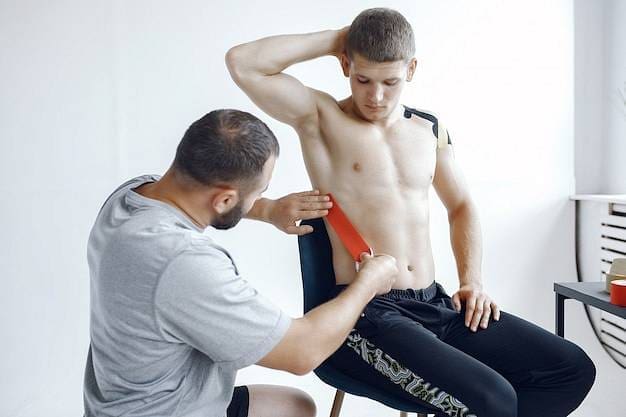
Could NMT Be Right for Your Athletes?
Despite the lack of conclusive research, NMT remains a popular tool among sports professionals. Here at AppliedMotion, we’ve seen some promising results in our Leederville clinic, particularly when NMT is used in conjunction with other evidence-based therapies like manual therapy and exercise prescription.
Here are some situations where NMT might be worth considering for your athletes:
-
Injury prevention: Taping specific areas may offer support and proprioceptive feedback, potentially reducing the risk of injury.
-
Pain management: NMT can help alleviate pain by reducing inflammation and improving proprioception in the affected area.
-
Post-injury rehabilitation: Taping can support tissues during healing and enhance proprioception, aiding in a faster and more complete recovery.
-
Performance enhancement: While the research is ongoing, NMT may offer some athletes a slight edge by improving proprioception and potentially influencing muscle activation patterns.
The Takeaway
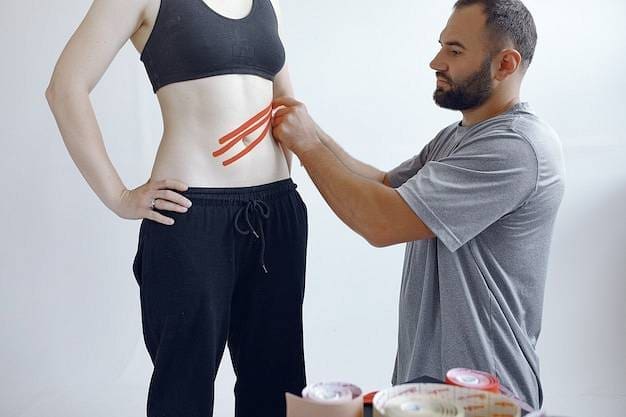
It’s important to remember that NMT is not a magic bullet. The effectiveness of the tape depends heavily on the skill of the person applying it. Improper application can be counterproductive or even cause injury. If you’re considering using NMT with your athletes, it’s crucial to partner with a qualified sports podiatrist or physiotherapist who is trained in NMT techniques.
Neuromuscular taping (NMT) is a growing trend in sports medicine with the potential to enhance proprioception, stability, and even athletic performance. The research landscape is still evolving, but NMT, when used appropriately by a qualified professional, can be a valuable tool for athletes of all levels. If you’re interested in exploring NMT’s potential benefits for your athletes, consider consulting with a qualified sports podiatrist or physiotherapist. Clinics like AppliedMotion Physiotherapy and Podiatry can provide expert guidance and ensure NMT is applied safely and effectively to help your athletes reach their peak performance.