






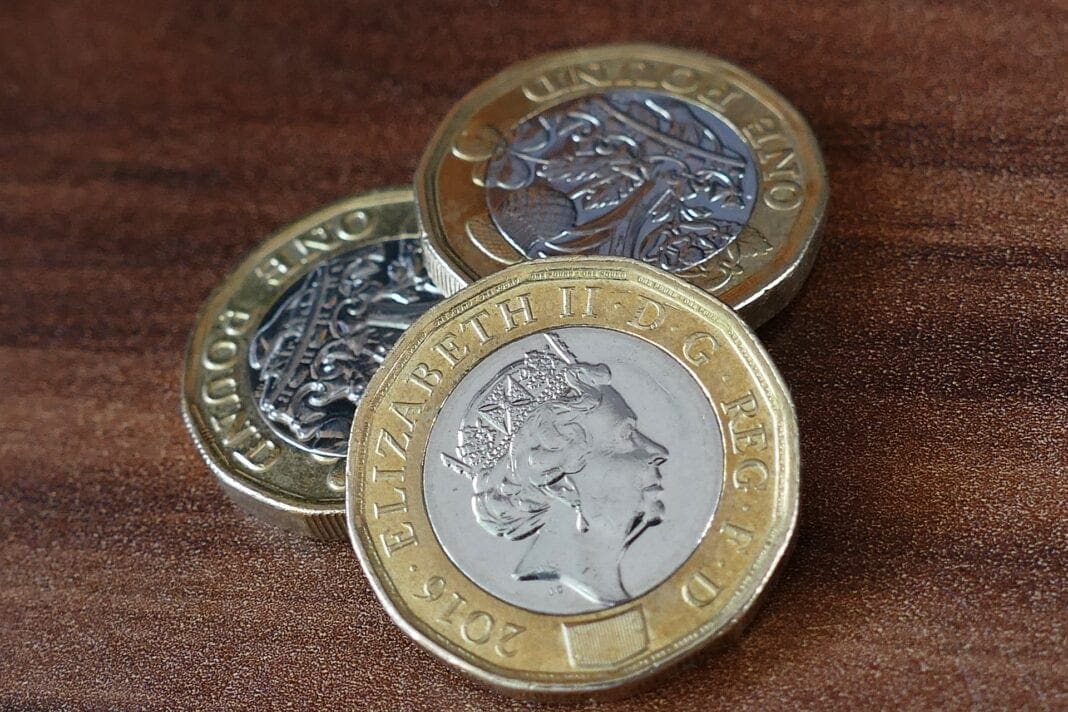

The function and purpose of money is to allow people to trade goods indirectly, it helps to regulate the price of goods, whilst also providing people with the opportunity to store their wealth.
Alternatively, if the use of money is scrapped, then a system of bartering could take its place. Under a system of bartering, workers who are in a skilled profession would be at an advantage to obtain things they want because they would have more to offer than those people who are not skilled: bakers, doctors, farmers, mechanics and dressmakers are just some professions that would be able to offer goods or services to exchange under a barter system.
An example of a barter trade would be if a dressmaker wanted to offer a dress to a farmer in exchange for farm produce. The pitfalls would be if the farmer had no need for a dress then the dressmaker would have to find out what the farmer wanted in exchange. The dressmaker would then have to try and exchange her dresses for an item the farmer wanted with someone else to then trade it with the farmer. This system would not be straightforward and would prove more complicated in a society with a diverse job market.
Instead of the dressmaker swapping her dress for farm produce, she could sell her dress to someone who wanted it for money and possibly get a higher price. This would allow her to buy even more farm produce to feed her family.
The only reason money has value is because people who use it have confidence in it. A person knows that if they do a day’s work and get paid £50 then they can use that money to go to the local supermarket and buy food shopping. As soon as people lose confidence in a type of currency then the £50 for a day’s work could end up being worth next to nothing.
An example of worthless money is when the German government lost the First World War, and in 1923 their economy was suffering. The workers went on strike and the government continued to pay the workers; the German government ran out of money and just printed more. This led to hyperinflation as prices rose; a loaf of bread which cost 250 marks in January of that year cost 200,000 million marks in November. During the crisis, workers were paid twice a day because the price of things were increasing dramatically and by midday their money was worthless. This is what happens when the people lose confidence in the monetary system.
Money sometimes seems like it’s the most important thing in the world. But just remember that money is a made up concept. There are more important things in life than money. This is important to remember as the world is struggling through the COVID-19 pandemic.