









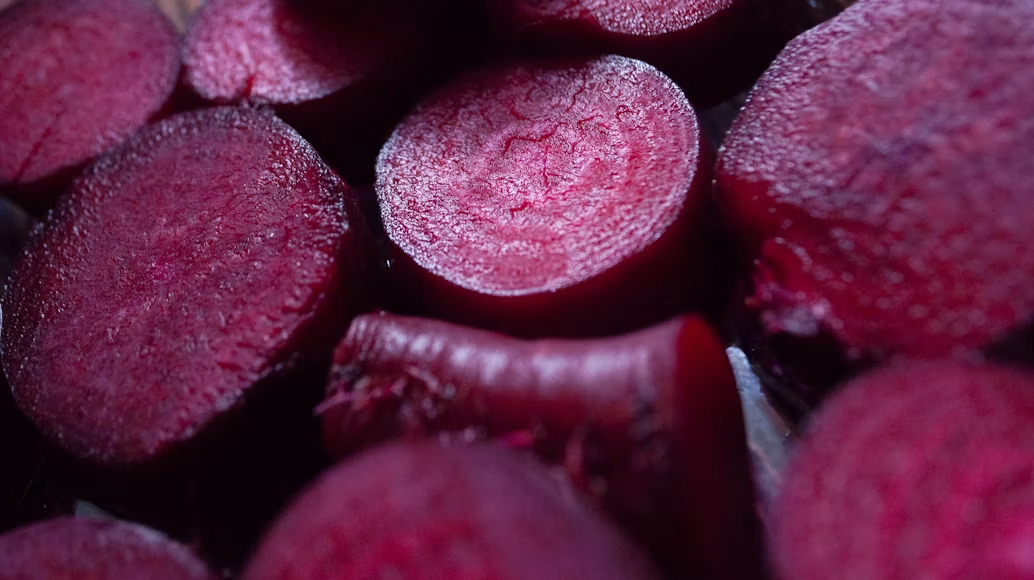

Searches for beetroot are up 28%, while interest in whether it can help erectile dysfunction has also risen. Curely’s Sobia Qasim explains what it can do and when a colour change needs checking
Beetroot is prompting two very different health questions: can it improve circulation, and why has it turned my poo red?
Search data reviewed by online pharmacy Curely shows an estimated 4.2 million searches for “beetroot” in the past month, up 28% year on year. Searches for “beetroot juice” reached 257,000, up 30%.
Interest in its possible effect on sexual health has risen too. Searches for “beetroot for ED” reached around 1,000 in the past month, up 3,221% year on year. Searches for “beetroot for erectile dysfunction” rose 742%, although the longer phrase received fewer than 500 searches.
Sobia Qasim, Superintendent Pharmacist at online pharmacy Curely, says:
“Beetroot is a useful vegetable to include in your diet, but some of the claims around it go further than the evidence. It isn’t a proven treatment for erectile dysfunction. And while it can turn your poo red, you shouldn’t assume every red mark in the toilet is caused by what you ate.”
Can beetroot help with erectile dysfunction?
Beetroot contains naturally occurring nitrates, which the body can convert into nitric oxide. Nitric oxide helps blood vessels relax. That connection may explain why people are searching for beetroot as a possible way to help with erections, but there is no established evidence that eating beetroot or drinking its juice treats erectile dysfunction.
“Erections depend partly on blood flow, so it’s easy to see why people make the connection,” says Sobia. “But research into beetroot and blood pressure doesn’t prove it works for erectile dysfunction. If erection problems keep happening, speak to a GP or pharmacist. There may be an underlying cause worth checking.”
What is beetroot good for?
It adds fibre to your diet. Whole beetroot contains fibre, making it a useful addition to meals. Beetroot juice does not provide fibre in the same way.
Its nitrates may help support healthy blood pressure. Beetroot has been studied for its effect on blood pressure, but it should not replace prescribed medication or other advice from a clinician.
It helps you eat a wider variety of vegetables. Beetroot also contains nutrients including potassium. Eating it roasted, boiled or grated is a straightforward way to add another vegetable to your diet.
Sobia says:
“If you enjoy beetroot, eat it. You don’t need to turn it into a daily juice routine or expect one vegetable to fix a health problem.”
Why can beetroot turn your poo red?
Beetroot contains a deep red pigment called betanin. Some of that colour can remain visible as food passes through the digestive system, making poo look red or purple. Beetroot can also turn urine pink or red.
“People sometimes worry that seeing beetroot’s colour means the food has passed straight through them without being digested,” says Sobia. “That isn’t what’s happening. The colour can remain visible even though your body has digested the beetroot.”
What if you eat beetroot while taking a GLP-1 medicine?
Weight management medicines including Wegovy and Mounjaro can affect digestion. Constipation and diarrhoea are recognised side effects. There is no established evidence that these medicines change the way beetroot pigment colours stool.
The important distinction is that constipation and straining can sometimes lead to actual bleeding, which someone who recently ate beetroot might mistake for food pigment.
“If you’re taking a weight loss injection and you’re constipated, don’t automatically put redness down to the beetroot you ate yesterday,” says Sobia. “Blood on the toilet paper, pain when you poo or redness that keeps happening should be checked.”
People taking weight management medicines should also speak to their pharmacist or prescriber if constipation, diarrhoea or vomiting becomes difficult to manage.
Who should be careful with beetroot?
People who have had calcium oxalate kidney stones may be advised to limit foods containing oxalate, including beetroot. This depends on the type of stone and their individual dietary advice.
People with kidney disease who have been told to limit potassium should check whether beetroot fits into their food plan. Not everyone with kidney disease needs to restrict potassium.
People with low blood pressure or taking blood pressure medication should ask a pharmacist or clinician before regularly drinking concentrated beetroot juice in an attempt to lower their blood pressure. An ordinary portion of beetroot with a meal is different from using juice as a supplement.
“These cautions don’t mean most people need to avoid beetroot,” says Sobia. “They matter if you’ve been given specific advice about kidney stones, potassium or blood pressure.”
When does red poo need checking?
A recent beetroot meal may explain a temporary colour change, but you cannot confirm the cause by colour alone. If you think you are seeing blood, or the redness keeps happening, contact your GP.
Seek urgent medical advice if your poo is black or dark red, or if you have bloody diarrhoea.
Sobia says:
“Think about what you’ve eaten, but pay attention to anything else that has changed. Beetroot can explain an unexpected colour. It shouldn’t be used to dismiss bleeding you’re unsure about.”