





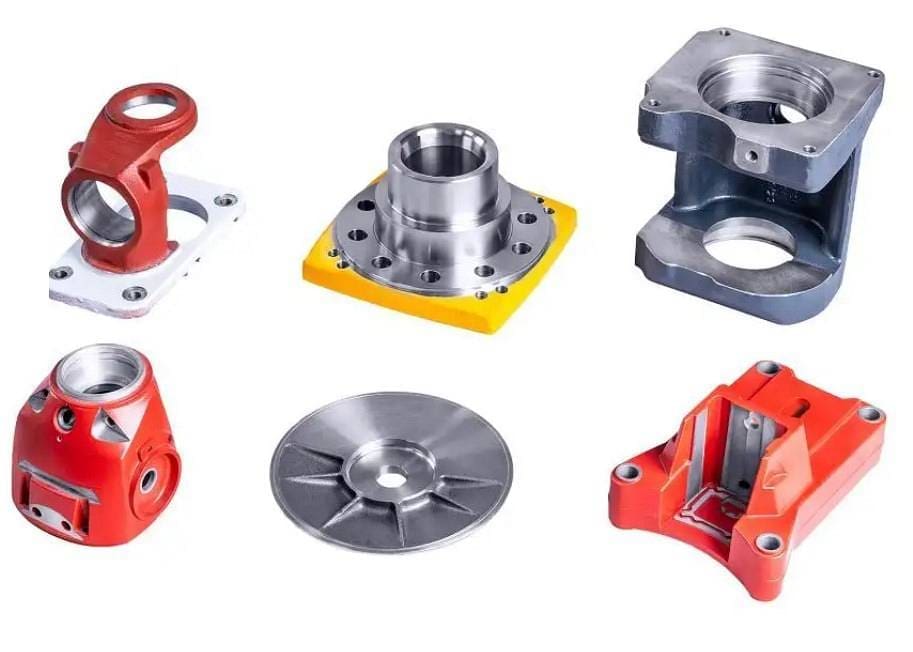

In the field of machining, two of the most fundamental processes are turning and milling. Both are used extensively in manufacturing to shape metal and other materials into precision parts and components. While they share the common goal of removing material to create a specific shape, turning and milling are distinct processes with unique methods, tools, and applications. This article will explore the key differences between turning and milling, their respective applications, and their importance in the world of machining.
What is turning?
Turning is a machining process in which a workpiece is rotated while a cutting tool is applied to its surface to remove material. The primary motion in turning comes from the rotation of the workpiece, which is held in place by a device called a chuck. The cutting tool remains stationary, but it can be moved along the axis of the rotating part to shape it into the desired form. This process is typically used to create cylindrical shapes and can be carried out on a machine known as a lathe.
Key characteristics of turning include:
- Rotating Workpiece: The material itself rotates while the cutting tool shapes the exterior.
- Linear Tool Movement: The cutting tool moves along the axis of the rotating workpiece to achieve different cuts.
- Cylindrical Components: Turning is ideal for producing cylindrical, conical, or spherical shapes such as shafts, bushings, or bolts.
Turning can be further divided into several sub-processes, such as facing, taper turning, and grooving, each designed to achieve specific shapes or surface finishes on cylindrical workpieces.
What is milling?
Milling, on the other hand, is a machining process where the cutting tool itself rotates, while the workpiece remains stationary or moves linearly. The milling tool, often a rotating multi-point cutting tool, is used to remove material by cutting along the surface of the workpiece. Milling machines come in two main configurations: horizontal and vertical, depending on the orientation of the spindle and the direction in which the cutter operates.
Key characteristics of milling include:
- Rotating Cutting Tool: In milling, the tool rotates while the workpiece may remain stationary or move in different directions.
- Multi-Point Cutter: Milling tools typically have multiple cutting edges, which allows for faster material removal and the ability to cut complex shapes.
- Complex Geometries: Milling is ideal for producing non-cylindrical shapes, including flat surfaces, slots, pockets, and intricate 3D contours.
Milling can be further classified into face milling and peripheral milling, each focusing on different cutting approaches depending on the required surface.
Key differences between turning and milling
While both turning and milling are essential machining processes, they differ significantly in their methods, tools, and applications. Below are the primary differences between turning and milling:
-
Workpiece movement vs. tool movement:
- In turning, the workpiece rotates while the cutting tool remains stationary (with linear motion along the axis of rotation).
- In milling, the cutting tool rotates while the workpiece either remains stationary or moves in specific directions.
-
Shape and geometry of the final product:
- Turning is typically used to produce cylindrical or conical shapes such as shafts or bushings.
- Milling is more versatile and is used to produce complex 3D shapes, flat surfaces, pockets, and intricate contours.
-
Type of cutting tool:
- Turning uses single-point cutting tools designed for cutting along the axis of rotation.
- Milling uses multi-point cutting tools that cut along various planes and can handle more complex shapes.
-
Surface finish:
- Turning generally provides a smoother surface finish on cylindrical parts due to continuous cutting action.
- Milling, especially with face milling operations, can produce a wide range of finishes, but may require additional passes to achieve the smoothness that turning offers.
-
Material removal rate:
- Milling tends to have a higher material removal rate due to the use of multiple cutting edges, allowing for faster machining of complex geometries.
- Turning, while efficient for cylindrical shapes, typically has a slower material removal rate as it uses single-point cutting tools.
-
Flexibility and complexity:
- Turning is best suited for simple, symmetrical parts like axles, rods, and rings.
- Milling is better for parts with intricate details and non-symmetrical features, such as gears, engine blocks, and molds.
Applications of turning
Turning is used across a wide range of industries due to its ability to create precision cylindrical parts. Common applications include:
- Shafts: Used in automotive and mechanical systems.
- Bushings and Bearings: Found in rotating machinery.
- Threaded Components: Such as screws, bolts, and nuts.
Turning is especially valuable in mass production environments where high precision and repeatability are required.
Applications of milling
Milling is used in industries where complex parts and high levels of customization are needed. Typical applications include:
- Gears and Gearboxes: Precision components found in automotive and industrial machinery.
- Engine Blocks: Complex structures in automotive and aerospace applications.
- Custom Metal Parts: Used in manufacturing processes for creating molds, dies, and tools.
The versatility of milling makes it one of the most widely used machining processes in modern manufacturing.
Which process to choose?
The choice between turning and milling largely depends on the part geometry and the requirements of the application. If the part is cylindrical or requires precise turning operations, then turning is the best option. On the other hand, if the part has flat surfaces, complex contours, or requires intricate details, then milling is the superior choice.
Both turning and milling can complement each other in certain manufacturing processes, and many advanced machines today combine both functionalities to offer greater flexibility in production.
Propart from Poland
Propart sp. z o.o. is a leading machining company based in Poland, specializing in high-precision turning and milling operations. With a modern machine park and a team of experienced engineers, Propart Sp. z o.o. is known for delivering exceptional quality components across various industries, including automotive, aerospace, and manufacturing. Their expertise in both turning and milling ensures that clients receive tailored machining solutions that meet the most stringent technical requirements. By leveraging the latest technologies and focusing on customer satisfaction, Propart Sp. z o.o. has established itself as a trusted partner for precision machining services in Poland and beyond.