





For both Type 1 and Type 2 diabetics blood sugar management can be a rollercoaster and certain vegetables we think are healthy can spike blood sugars for those with diabetes type 1 or 2. All plants contain carbohydrates and break down into two categories, starchy or non-starchy vegetables.
Starchy vegetables can raise blood sugar but do contain vital nutrients, whilst GI offers an idea of how a food impacts the body, it’s not the whole story. However, this is a guideline as to what vegetables can spike blood sugars and what to look out for.
- Sweet potatoes are high in carbohydrates, so they can spike blood sugar levels, although the fibre content helps to slow down this process. Orange sweet potatoes have a higher GI although, for Type 1 diabetes, insulin can be administered accordingly to cover the carbs. This can increase your blood sugar level, compared to other sweet potato varieties especially, if suffering from type 2 diabetes.
- Potatoes in general, fall in the high GI category. A cup of them can affect your blood sugar in the same way a can of coke would. In fact, one study found that women who ate a large amount of potatoes raised their risk of diabetes. Add cheese, butter or oil to cooking and eating, they can prove to be an unhealthy choice for diabetics.
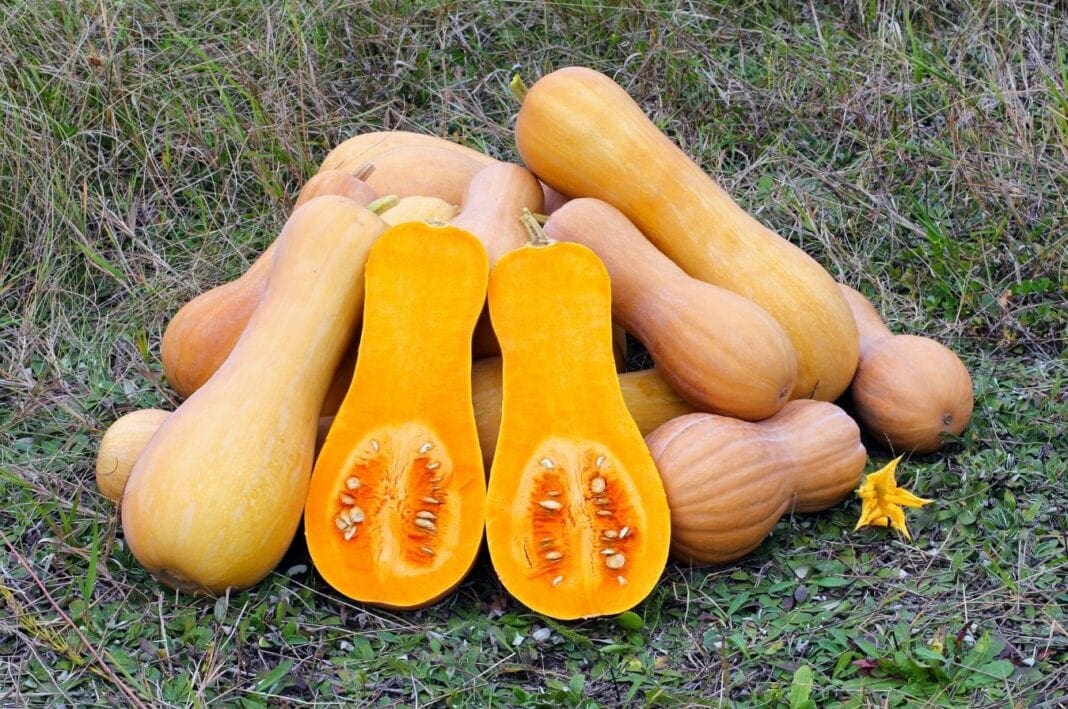
- Butternut squash can raise blood sugar for people with type 2 diabetes, although, additional fibre improves blood sugar, lipids, and insulin levels. One cup of butternut squash provides about 6.6 grams of fibre, where 25 grams a day is the recommendation.
- Corn, especially tinned varieties contain lots of sugar and can quickly raise blood sugar. The best type is fresh on the cob and cooked soon after picking or purchase, so tinned corn and products are best avoided.
- Parsnips are a Christmas favourite and don plates on many a Sunday lunch yet, have a high GI index, that can raise blood sugar. Everyone with diabetes has a different reaction and some will not react whereas, others will find a spike in blood sugar. It is best to test after eating them to see if blood sugar has risen or not. So, the advice is to be careful with those portions and not to add fat or honey when cooking.
- Peas can also, like parsnips, raise blood sugar although fresh, green peas have a relatively low GI index, but contain more carbohydrates than other vegetables on a par with corn. These can cause a blood sugar spike especially, if eating a portion of petit pois or tinned mushy peas.
- Yams are great for menopausal health but high in GI content, which means this root vegetable can spike blood sugar after eating, due to its high carbohydrate content.
However, although all of the above can spike blood sugar levels, vegetables are vital for health and for those with diabetes contain many nutrients the body needs. For example,. peas contain 244 mg of potassium per 100 gm (as per USDA), so, this nutrient is crucial for regulating blood sugar levels. Sweet potatoes and yams contain magnesium that can be preventative against type 2 diabetes and it maybe, that small portions of all of these vegetables, with their fibre content, can ultimately help with blood sugar control.
The jury is out!