





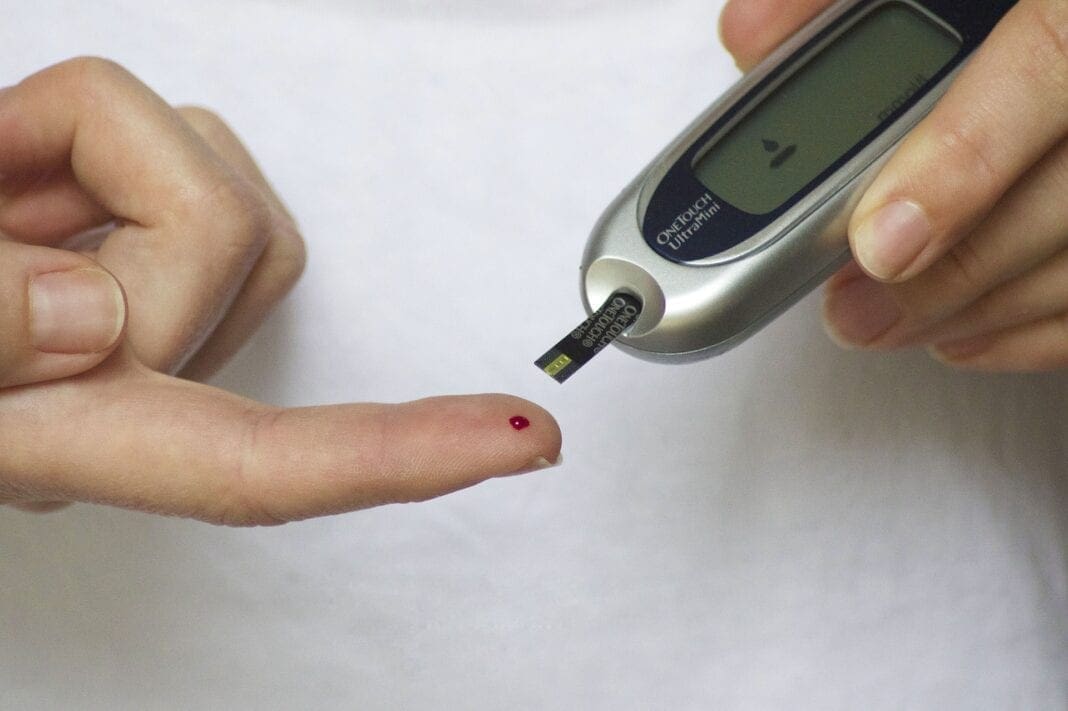

We are striving to make changes within the Diabetes community and anyone suffering from Type1 or Type 2 Diabetes.
The Helping Tackle Vulnerability Project was given lottery funding for a project that is engaging with Type 1 and Type 2 Diabetes in our Carmarthenshire
How has Covid negatively impacted those with diabetes?
There has been more attention on people with diabetes because of poor prognosis in those with the Covid infection. Initial reports were on people with type 2 diabetes, although recent surveys have shown that individuals with type 1 diabetes are also at risk of severe COVID-19.
A study, whose aim was to describe diabetes nurses’ perspectives on the impact of the COVID-19 pandemic on people with diabetes and diabetes services across Europe, was made in ‘Diabetic Medicine, (Vol, 38. Issue 5. May 2021), using an online survey developed using a rapid Delphi method. The survey was translated into 17 different languages and disseminated electronically in 27 countries via national diabetes nurse networks.
Survey responses from 1829 diabetes nurses were included in the analysis. The responses indicated that 28% (n = 504) and 48% (n = 873) of diabetes nurses felt the COVID-19 pandemic had impacted ‘a lot’ on the physical and psychological risks of people with diabetes, respectively. The following clinical problems were identified as having increased ‘a lot’: anxiety 82% (n = 1486); diabetes distress 65% (n = 1189); depression 49% (n = 893); acute hyperglycemia 39% (n = 710) and foot complications 18% (n = 323). Forty-seven percent (n = 771) of respondents identified that the level of care provided to people with diabetes had declined either extremely or quite severely. Self-management support, diabetes education and psychological support were rated by diabetes nurse respondents as having declined extremely or quite severely during the COVID-19 pandemic by 31% (n = 499), 63% (n = 1,027) and 34% (n = 551), respectively.
The findings concluded that diabetes nurses across Europe have seen significant increases in both physical and psychological problems in their patient populations during COVID-19. The data also show that clinical diabetes services have been significantly disrupted. As the COVID-19 situation continues, we need to adapt care systems with some urgency to minimise the impact of the pandemic on the diabetes population.
Has the pandemic resulted in some patients being unable to receive treatment for their diabetes?
Forty-seven percent (n = 771) of respondents in the above survey, identified that the level of care provided to people with diabetes had declined either extremely or quite severely. Self-management support, diabetes education and psychological support were rated by diabetes nurse respondents as having declined extremely or quite severely during the COVID-19 pandemic by 31% (n = 499), 63% (n = 1,027) and 34% (n = 551), respectively.
The Olive Trust, Wales set up a Covid 19 response Diabetes forum in order to provide resources and help to those with both Type 1 and Type 2 diabetes that, was funded by the Commuity Fund, Wales and The National lottery, Wales.
Are there any known links between Coronavirus and diabetes? Does having diabetes make you more susceptible to the virus?
There do not seem to be any known links between Coronavirus and diabetes however, you are categorised as a vulnerable group if you have Type 1 or Type 2 Diabetes. It is not about being more susceptible to the virus as such but the reason for worse prognosis in people with diabetes is likely to be multifactorial, thus reflecting the syndromic nature of diabetes.
Age, sex, ethnicity, comorbidities such as hypertension and cardiovascular disease, obesity, and a pro-inflammatory and pro-coagulative state all probably contribute to the risk of worse outcomes. Glucose-lowering agents and anti-viral treatments can modulate the risk, but limitations to their use and potential interactions with COVID-19 treatments should be carefully assessed. Finally, severe acute respiratory syndrome coronavirus 2 infection itself might represent a worsening factor for people with diabetes, as it can precipitate acute metabolic complications through direct negative effects on β-cell function. These effects on β-cell function might also cause diabetic ketoacidosis in individuals with diabetes, hyperglycaemia at hospital admission in individuals with unknown history of diabetes, and potentially new-onset diabetes.
With the world starting to ease out of the pandemic, is there new hope for those with diabetes to have greater access to their medical professionals again?
I believe there is new hope as we ease out of the pandemic for those with diabetes to have greater access to their medical professionals again firstly, due to the recruitment of more medical professionals by the NHS Trusts and secondly, more health professionals are returning to work as, they were 4 times likely to get Coronavirus. With the population now being vaccinated there, is now more hope for the future of healthcare for diabetes sufferers.